
1. List the journeys
Start from how people arrive (car park, bus stop, station, main entrance) and list where they need to get to: reception, the busiest departments or rooms, toilets, lifts, and exits. Each arrival point to destination pair is a journey.
2. Walk each journey as a first-time visitor
- At every junction, door and lift, ask: which way now, and does a sign tell me?
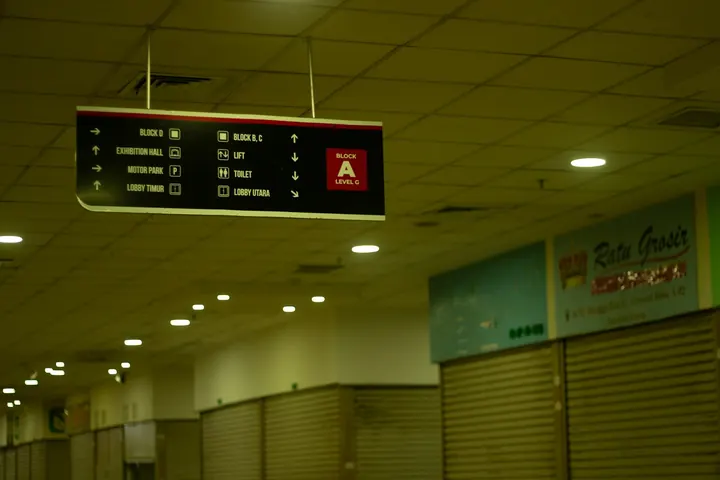
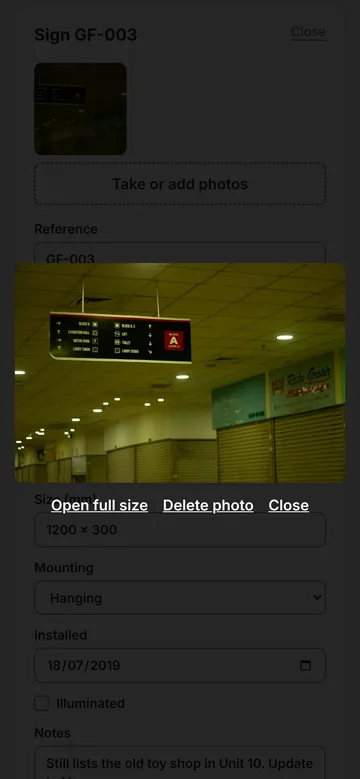
- Record each sign you pass, pinned to the plan, with a photo.
- Note decision points with no sign, signs that contradict each other, and names that don't match the destination.
- Check the route back out, too. Return journeys are often signed less well.
3. Check each sign
- Is the destination name the one people use, and does it match the sign at the destination?
- Can it be seen and read from where the decision is made?
- Is it consistent in style and terminology with the rest of the route?
- Is it accessible? See accessible signage in the UK.
4. Turn findings into a plan
Filter the record for signs marked replace, update or add, and group them by journey. Fixing whole journeys rather than individual signs gives visitors a route they can follow end to end. Signcensus keeps the plan, pins, photos and actions together for every building.
Questions
- What is wayfinding?
- Wayfinding is the system of signs, maps and cues that helps people find their way around a site, such as directional signs, directories, room signs and colour-coded routes.
- How is a wayfinding audit different from a signage audit?
- A signage audit records every sign and its condition. A wayfinding audit looks at whether the signs work together to get people to where they need to go, journey by journey.